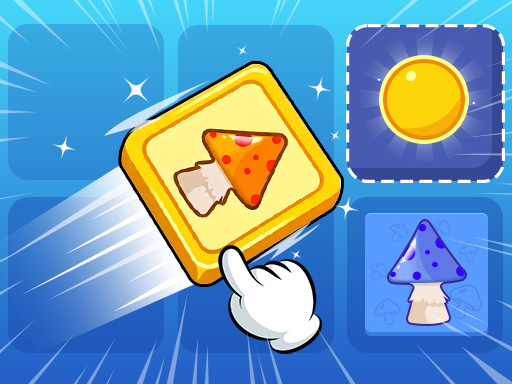
Point to Merge - Direct Matching Number Blocks
Use direction choices to join matching numbers. Plan the position of the merged value so its next partner remains reachable.
How to play Point to Merge
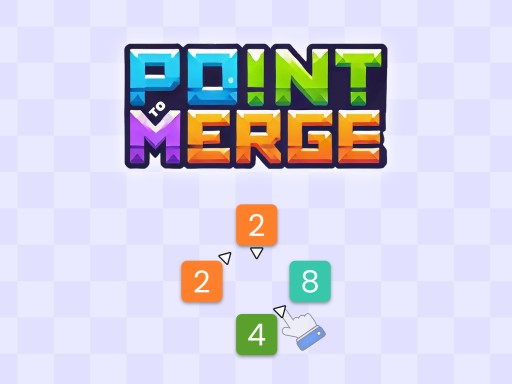
Point to Merge uses arrows to direct numbered blocks toward matching values. The provider describes a sequence in which two 2 blocks become 4, matching 4 blocks become 8, and the process continues. Your direction choices determine where those matches happen.
Start from the game's play control and choose an unlocked level. Read the in-game tutorial before setting a direction. The job is to bring equal numbers together while keeping the next required merge possible.
In the desktop test, dragging from the first 2 block toward the right set its arrow toward the second 2. With both direction markers pointing right, choosing Go joined the two 2s and the existing 4. The result displayed Level completed with an 8. Set the direction before starting the simulation; selecting the number alone does not describe the whole control.
This game needs a different plan from an arrow-removal puzzle. Sending a block away from the board is a mistake here. The official rules warn that an incorrect direction or a route outside the level can restart the puzzle, so check the destination before committing.
Plan where the merged value will land
Begin by finding equal numbers, then look past the first merge. The resulting tile needs a useful position for the next match. A pair that is close together can still be a poor first choice if the result ends up with no route to its next partner.
For a hypothetical board containing two 2 blocks and a 4 block, first identify the direction that joins the 2s. Then ask where the resulting 4 will be relative to the existing 4. If those positions do not support another connection, reconsider the first direction before acting.
That example explains the planning problem; it is not an exact first-level solution. Your board may use a different arrangement or show additional direction controls. Follow the tutorial and the arrows actually displayed in your session.
Trace the entire route
Look at the path between the moving block and its intended match. Check the boundary as well as the destination. A direction that looks plausible near the starting tile can still carry it out of the playable area if you have read the row or column incorrectly.
Work backward when the last merge is easier to picture than the first. Locate the value that will need a partner, decide where that partner must arrive, and then identify the earlier merge that could create it there. This gives each direction a purpose instead of leaving the last tile wherever the first convenient match happened.
If a choice resets the board, compare the intended route with what the game showed. Change one part of the plan at a time. Repeating the same direction without identifying the mismatch is unlikely to teach you why the attempt failed.
Keep directions and values separate
The number tells you which partner a block needs. The arrow tells you how the movement will reach that partner. Check both before making a selection; matching values alone do not establish a safe move.
Read any tutorial animation through to the end. It can demonstrate the sequence of movement more clearly than a still image. When a walkthrough uses a different layout, apply its reasoning only after matching the starting positions to your own board.
Playing in the browser
Point to Merge is listed by trezegames on GameMonetize and runs from the provider's frame. It may show provider advertising. Expand game can make the number and direction markers easier to distinguish. Restart game reloads the frame and does not promise to preserve the current attempt.
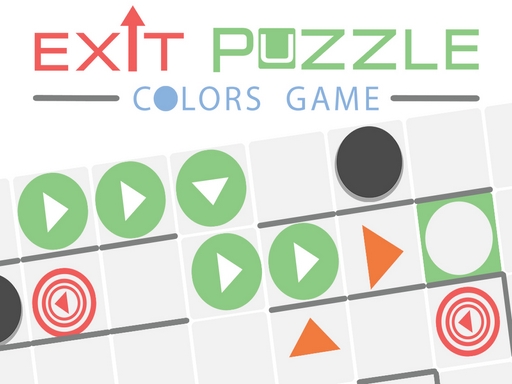
For a different use of arrows, Exit Puzzle: Colors Game routes moving dots toward exits. Arrow Jam asks you to remove colored arrows through open lanes. Browse the arrow games collection to switch between these movement systems.
Questions about Point to Merge
Which numbers can merge?
The provider describes equal-value pairs: two 2 blocks make 4, matching 4 blocks make 8, and the sequence continues. Check both the value and the movement route before selecting a direction.
Why does the position after a merge matter?
The resulting value needs to meet its next equal partner. A convenient first match can leave that result in an awkward position, so picture the following merge before making the first one.
Can I send a tile out of the level?
The official rules warn that pointing outside the level, or making an incorrect direction choice, restarts the puzzle. Check the boundary rather than treating an outward route as an escape.
Is this the same as an arrow-clearing game?
Here the arrows direct numbered blocks toward matches. In a clearing game such as Arrows Escape, pieces are sent off the board. The different goal calls for a different route plan.