Arrow Jam - Clear the Colored Arrow Grid
Follow each colored arrow's route to the edge. Clear an open lane and keep the hearts in view before committing a blocked move.
How to play Arrow Jam
Click a colored arrow to send it toward the edge in the direction its head points. A piece needs an unobstructed exit. When another arrow occupies that route, work out which one can leave first instead of repeatedly selecting the blocked piece.
The first board observed in our desktop test had three long arrows pointing down: blue on the left, red in the middle, and green on the right. We removed the green arrow, then the red one, then the blue one. The game displayed a Next Level panel for Level 2 with a Continue control.
That sequence is a recorded opening example. It does not mean green always goes first on later boards. Color helps you identify the pieces, while each head and its exit lane determine the movement you need to assess.
Trace the whole path to the edge
Start at an arrowhead and follow its direction across the remaining board. A gap immediately beside the head is not enough if another piece blocks the route farther away. Check the full lane before choosing a long arrow that stretches through a busy arrangement.
When you find an obstruction, inspect the obstruction's own route. If it can leave now, removing it may unlock the arrow you started with. If it is also blocked, follow that chain until you find a piece with an open exit.
After every removal, return to the space that changed. On the observed opening, clearing one colored column made it easy to distinguish the other two. On a crowded arrangement, that newly open space can help you spot a different route through the cluster.
Protect the attempts shown as hearts
The opening displayed three hearts at the top. The provider's rules describe a failed blocked move as costing an attempt, so inspection matters before a click you are unsure about. The recorded successful opening kept the three hearts visible through the clear.
If the same pair of arrows keeps drawing your attention, choose a different starting point and trace another exit. A piece outside that pair may be the one that creates useful space. The arrow puzzle strategy guide gives hypothetical obstruction-chain examples for practicing this approach.
The game also shows help controls below the board. Read the visible label and any prompt before choosing one. This guide does not promise a help control is unlimited, free of advertising, or available in the same way on every later level.
Match the guide to this release
Arrow Jam is listed by V.O.F. YERMIX Studios on GameMonetize. Its colored grid and hearts belong to this release. The homepage's Arrows Escape has its own source and guide, even though both games ask you to read arrow directions.
A walkthrough that names a particular color or starting position is useful only when your board matches it. If the arrangement differs, use the general exit-lane method and follow the instructions inside the game instead of forcing a remembered sequence onto a different level.
Continue playing or try a different arrow puzzle
After the tested first clear, Continue was the ordinary next-level choice. Any other option on a progress panel can have its own conditions. Use the visible controls for your session; this page does not claim that later unlock or reward flows have all been tested.
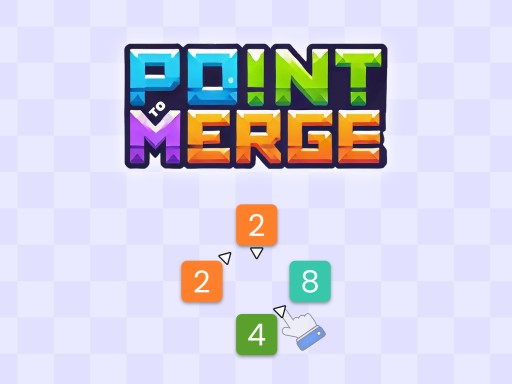
Expand game gives the colored lanes more room, and Close returns you to the article. Restart game on this page reloads the provider frame. If you want a different movement system, try UNRAVEL for sliding blocks and a move budget, or Point to Merge for directing numbered tiles toward a match.
Questions about Arrow Jam
What was the tested first-level sequence?
The observed opening had blue, red, and green downward arrows. Removing green, then red, then blue cleared it and displayed the Level 2 Continue panel. Use this example only for a matching board.
Does arrow color determine which piece goes first?
Use color to distinguish the pieces, then inspect their heads and exit lanes. The green-first sequence describes the tested opening, not a rule for every level.
What do the hearts mean?
The game displays attempts as hearts. Its official rules describe a blocked move as costing an attempt. The recorded successful opening retained all three hearts.
Are the help controls unlimited?
This guide does not make that claim. Read the visible help label and any provider prompt before choosing it; later help, unlock, and reward flows have not all been verified.