Arrows disappear - Remove the 3D Directional Blocks
Read the arrows on a compact 3D structure. Remove an exposed block, turn the view to inspect the gap, and plan the next selection.
How to play Arrows disappear
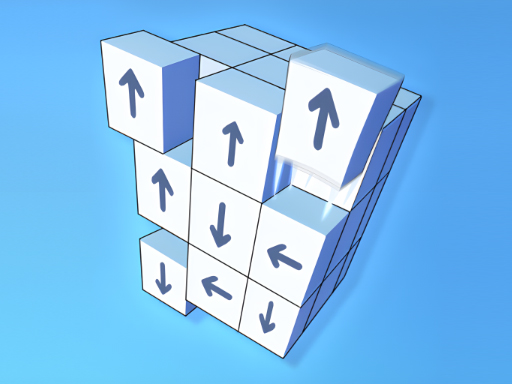
Read the arrows printed on the faces of the small blocks and choose a block with an open route away from the structure. A successful selection removes that block. Continue opening space until the arrangement is clear, watching the move counter as you go.
The first board observed in our desktop test was a compact cube with a counter of nine. Selecting the block indicated by the on-screen hand removed it from the front of the structure. A gap appeared, and the counter changed from nine to eight. The remaining arrows were easier to distinguish around the empty space.
The board is a 3D arrangement, so a useful inspection includes the side faces as well as the top. A block that looks free from one angle may still be difficult to assess because another piece is behind it. Read the marked face before clicking instead of treating every visible cube as the same kind of move.
Rotate the view before using a move
Dragging across the game changed the cube's viewing angle in our test. The empty space moved into view on a different side, while the counter stayed at eight. This gives you a way to inspect the structure before selecting another block.
Use a deliberate drag when you want a new angle, then release and examine the result. A short click is for selecting a block. Keeping those actions separate helps when a small piece is close to a neighbor and you are trying to inspect its arrow rather than remove it.
Changing the view does not change which pieces occupy the puzzle. After a rotation, find the gap you already created and use it as a reference. Then inspect the remaining blocks around that gap. You can often understand a crowded corner better when you see its two exposed sides.
Follow the space a block would leave
Before selecting an outward-facing block, look at the other pieces near it. If it leaves, which face or route will become visible? That question helps connect one removal with the next inspection instead of treating the level as a series of unrelated taps.
For a reasoning example, imagine a block on the outside of a cluster with a second piece behind it. Removing the outside block can expose the second piece's marking. You still need to read the newly visible arrow and check its own route. Revealing a piece does not prove that it is ready to leave.
The first tested removal spent one move. We have not verified every failed-selection rule or every special control, so avoid using repeated blocked taps as a free way to explore. Inspecting the faces and rotating the view gives you information without relying on an untested recovery feature.
When a 3D arrow is hard to read
Try a new viewing angle and look for the arrowhead on the selected face. Perspective can make two markings look as though they point in similar directions when they belong to different faces. The empty corners and exposed edges help you keep track of the structure.
Expand game can give the cube more screen space. Close returns to the normal page. The surrounding page's Restart game control reloads the external frame and is separate from any pause or restart option inside the provider's game.
Other arrow puzzles to explore
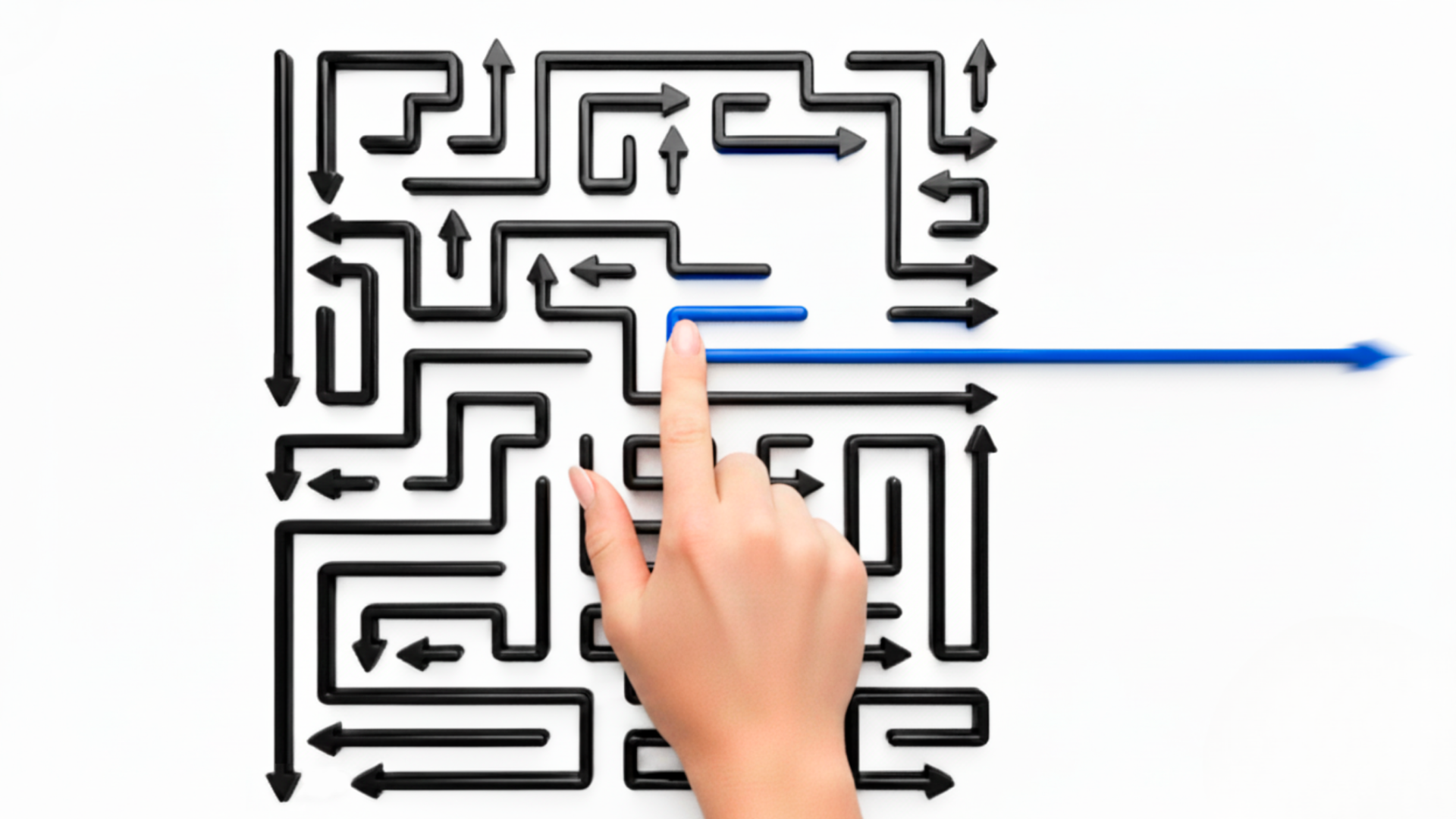
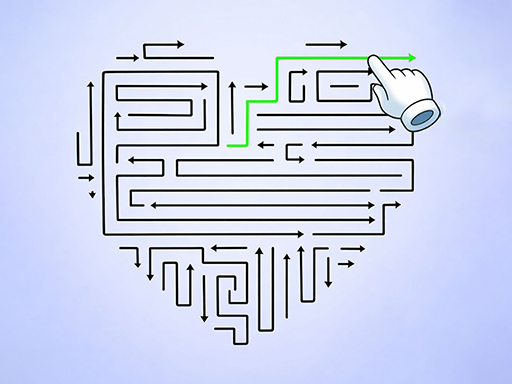
Arrows disappear is listed by mir-games.net on GameMonetize. Its compact 3D block arrangement is a different presentation from the white-line puzzles on the homepage. We keep its source and instructions separate instead of treating similar arrow mechanics as the same game.
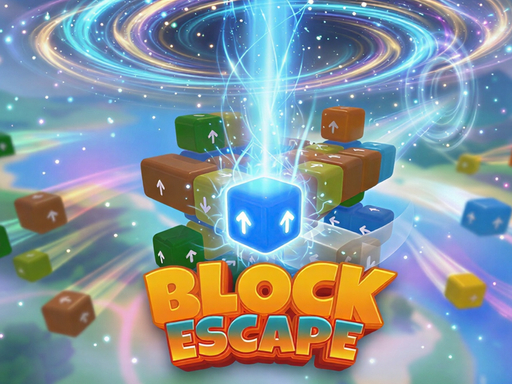
Try The Block Escape for another 3D directional puzzle, or UNRAVEL for flat sliding blocks with a visible move budget. The general strategy guide explains how to trace an obstruction chain when you want to practice that reasoning away from the cube.
Questions about Arrows disappear
How do I move the first block?
The tested opening displayed a hand pointing to a lower front block. Clicking that block removed it, exposed a gap, and changed the move counter from nine to eight.
Can I look at a different side of the cube?
Yes. Dragging across the game changed the viewing angle during the test. The gap became visible from another side, and the move counter stayed at eight.
Does rotating the view solve a move?
Rotation changes what you can see. The puzzle still has the same remaining blocks, so inspect their arrow markings and exits before selecting another one.
Is a blocked click guaranteed to be free?
This guide does not make that guarantee. The successful removal used one move, while failed-selection and special-control sequences have not all been tested. Check the route before committing a click.